Arts in therapy


“Coming from India and having worked with people from the rural areas I have always been convinced that the arts have a powerfully transformative potential. The course has helped me to acquire skills that I will be able to take back to the people to explore true realms of liberation.”
Britto Belevendren MA Integrative Arts Psychotherapy Graduate
The Seven Art Forms for Therapeutic Conversation
We believe a healthier society to be one in which the creative working through of emotional pain, within a safe and supportive arena, is not merely the property of a few psychologically-minded people, or restricted to the confines of the art gallery or theatre. It should be possible for many more people to process their feelings well, rather than simply managing them via neurotic or destructive means.
The arts psychotherapy and therapy courses are concerned with the therapeutic application of the arts and the creative imagination for a more fulfilling life, rather than purely for remedial use, or simply for addressing a particular problem. Our courses include therapeutic communication through seven art forms: Art, Drama/Puppetry, Sculpture/Clay, Poetry, Sandplay, Music and Bodywork/Movement.
Art
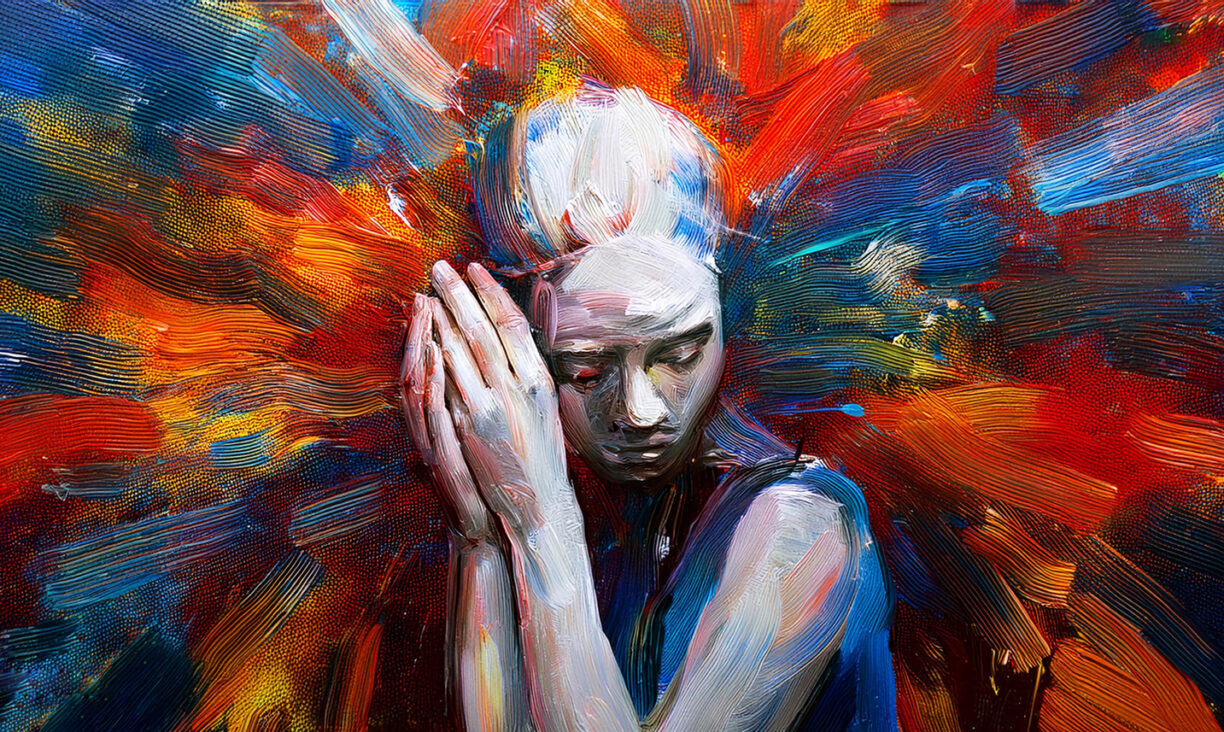
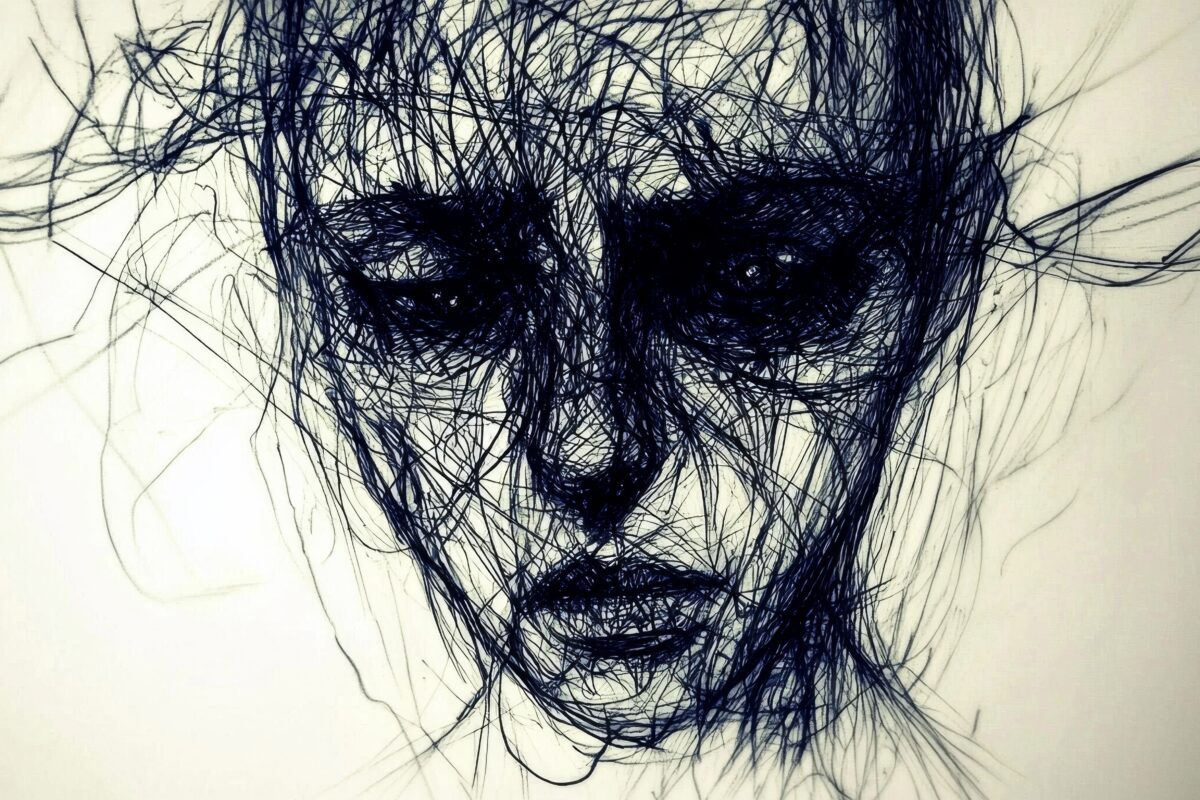
Art explores emotional landscape and view, and aspects of a person’s ‘seen world’ in terms of inner and outer world reality. The inter-relationships of size, shape, line, space, texture, shade, tone, colour and distance in a painting can reveal the reality of the self. The art image supports people to linger in the exploration of themselves and inner world when, without it, they may run away from or avoid both.
Drama/Puppetry
Offers profound reflection on who we are and the roles we play. These art forms are also centrally concerned with how people change people, for better or worse, and the sort of connections they make with each other, e.g. superficial, conflictual, brutal, deadened or deeply enriching. Drama and puppetry can also offer vital insights into ‘situation’: how past situations are still colouring those in the present. Working with puppets is ideal for circumventing a reluctance to speak about feelings.
Sculpture/Clay
Sculpture offers a person the power to speak through touch. Its power lies more in the emotional resonance of substance. Sculpture invites a sensual engagement with the world. Clay expresses qualities and forms of feeling, directly, plainly, free of the clutter of any associations of the everyday.
Poetry
Literal words can misrepresent, underplay, hide rather than reveal and frequently offer only approximations to any recalled experience. In poetry as a multi-sensorial form, ‘amplifies the music of what happens’ (Seamus Heaney). ‘A poetic basis of mind’ (Hillman) can lead to a far more profound experience of life.
Sandplay
Clients choose from a whole world of miniature people, animals and buildings and arrange them in the controlled space of the ‘theatre of the sandbox’. This theatre then offers a profound overview of important life issues. Once feelings are organised and externalised in sandplay, they can be contemplated from a distance, and then assimilated.
Music
Music therapy is an expressive art form that provides a forum and a means for accessing a range of internal states whether sublime, transcendent, primal or base. The range of human experience from joy to melancholy can be enhanced or communicated in the patterns, cadences, movements and timing of a person’s musicality. Music therapy is founded on the principle that any person who can pick up and hold an instrument has the innate capacity for musical expression.
Bodywork / Movement
Body-psychotherapy views mind and body as inseparable, interactive aspects of the whole person rather than distinct parts. It encourages exploration of the inner world through bodily experience, using posture, breath, movement and sensation to access emotional truths that may not be available verbally. Patterns of tension and embodied expression help reveal how individuals organise experience, relate to others, and hold implicit memories or unspoken feelings. Awareness and embodied methods can also support self-regulation of the nervous system, fostering greater stability and resilience.